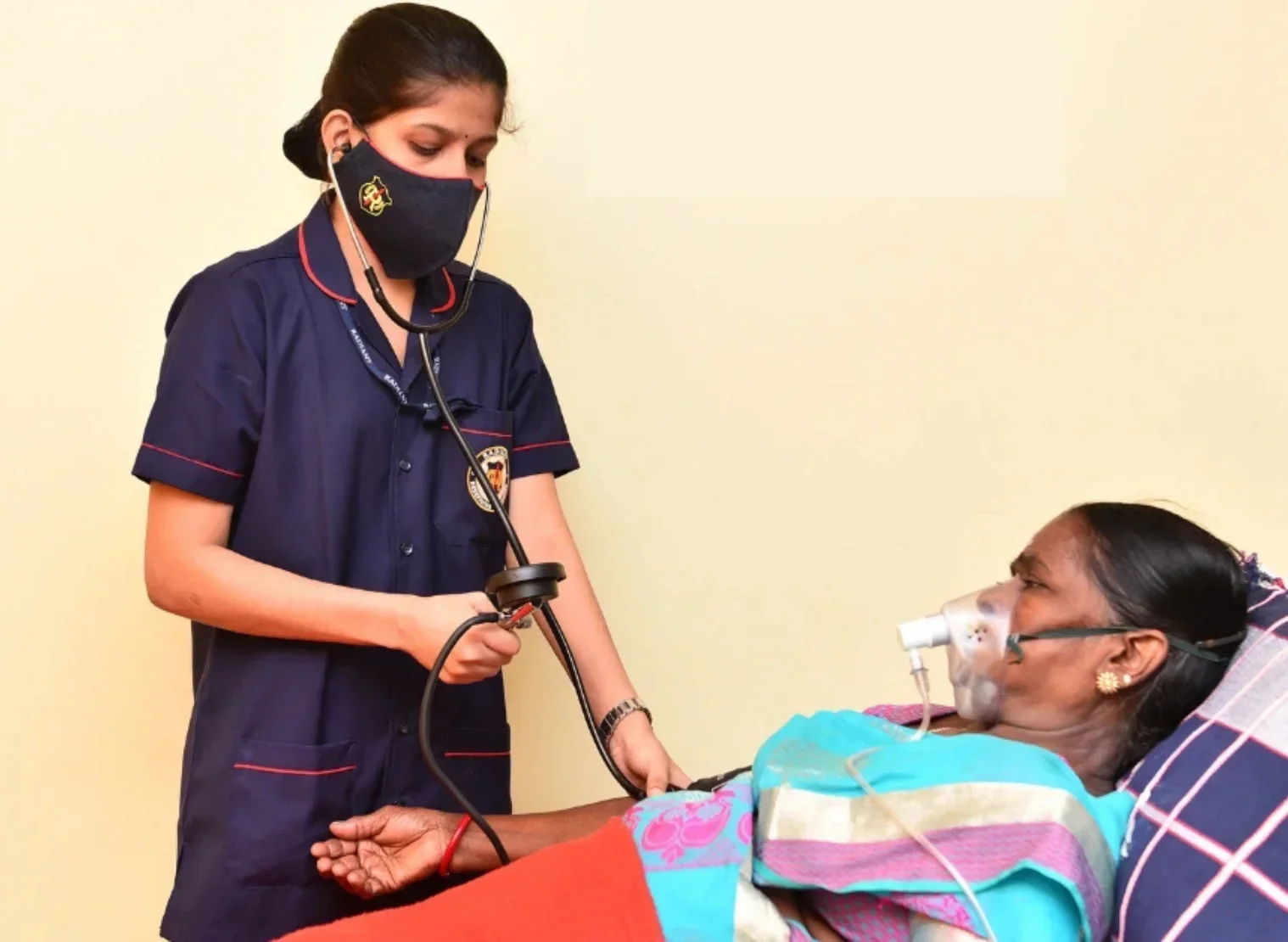
First Aid Care for Elderly
“Prevention is better than cure”, but at times the only available option is "cure" and it is good to be prepared for such emergency especially with elderly at home. With age catching up problems such as Thin Skin, Brittle Bones, Slower movements and a lot of discomfort dominate the body. In caring for the elderly, the caretakers need to be more responsible and cautious.
First things first, before getting into giving the first aid it's important to keep a well-stocked first-aid kit in handy. You can either purchase one or create one by having the following stuffs prepared and ready. Create a record of medical information of the elder on the kit, adding to that include medical contacts and medications that proves to be a very helpful addition to your first aid kit. In nature, humans face hard time to remember things in emergency situations, which is why adding information will be a great asset.
We'll start with what are things that have to be included in the first aid kit,
-
Thermometer
-
Gloves
-
Antiseptic ointment and wipes
-
Cold packs
-
Band-Aid in assorted sizes including the elbow and knee sizes
-
Thermal Patches
-
Hand sanitizer or soap
-
Tweezers, Scissors, safety pins, and needle
-
Phone number for emergency contact and poison control and insurance information
-
Medication list with dosage information and times taken
-
Aspirin
-
cotton balls and swabs
-
Breathing barrier
-
Plastic bags for disposable
Now, there are a few common types of situation where first aid is needed the most,
-
Falls
-
Cuts and scrapes
-
Cardiovascular problems
-
Heat and cold-related illness
Falls
Stay calm and try to keep the person calm as well. Encourage slow, deep breaths
Check for the injuries first. Do not try to get the person up right away. If necessary call for the emergency service immediately, keeping the person warm while you wait and control any bleeding if they appeared to be dazed ask some simple questions to keep them conscious and to determine the severity.
Check their mobility by moving their arms and legs first, then guide them to roll to their sides
If possible place a chair and make them sit straight which will keep them relax the spin and joints
Cuts and Scrapes
All cuts and wounds, no matter how small it is, it has to be cleaned as soon as they occur with soap and water. Once the cut has been cleaned, the bleeding has to be stopped by applying the antibiotic cream or disinfectant before dressing the wound.
You should seek medical advice if,
-
The bleeding does not stop for after 10 minutes of applying pressure.
-
The cut is deep or long
-
Something is embedded in the wound
-
If the cut is the result of animal bite
Remember that elderly people have thinner skin and are more susceptible to skin infection, diseases and their skin may not heal as fast
How to control Bleeding?...
Apply direct pressure on the cut or scrapes with a clean cloth, tissue, or a piece of gauze until the bleeding stops..
If the blood stokes through the material, don't remove it. Put more cloth or gauze on top of it and continue to apply pressure
If the wound is on the arm or leg, raise limb above heart to slow the bleeding
Remember to wash your hands again after giving first aid and before cleaning and dressing the wound
Cardiovascular issues
Chest pain or discomfort is the most common symptom of heart attack and usually occurs on the left side of the chest and lasts more than a few minutes. The victim may feel the pain in only one part of the body or pain could also appear in other parts of the body such as arms, back, neck, shoulders, and even the jaw
This discomfort may come and go because of the sensation of squeezing, Shortness of breath, pressure, fullness, indigestion or heartburn
Heart attacks can happen when there is an sudden blockage of the artery that supplies blood to the section of the heart. as a result, some heart muscle starts to die.
How to react at an event of a heart attack?...
-
Have that person to sit down and try to keep them calm
-
Loosen any tight clothing
-
Keep Constantly reassuring them that medical aid is on its way
-
If the person takes any medication for chest pain or a heart condition, help them to take it all for help and immediately, take the person to the hospital
What not to do?
-
Do not leave the person alone, except to call for help
-
Do not give anything by mouth, unless a heart medication is prescribed
-
Do not wait to see the symptoms go away. Take the person immediately to the hospital
Choking
For an elderly person, normally swallowing may be slowed, especially if taken certain medications.
Choking is an emergency that requires fast and appropriate action by anyone available, therefore it is important for all of us to know what to do for a choking victim.
Choking can cause coughing or could completely block the airway. Before coughing a person who is choking may grasp their throat, have trouble speaking, eventually begin turning blue.
When a person is not able to answer you by speaking and can only nod their head, this is the sign of complete airway obstruction.
What to do in that case?...
If you encounter a conscious choking individual that is coughing, encourage continued coughing. if the person is unable to cough, speak, or breath, follow the steps below:
-
Lean a person forward and give 5-6 back blows with the heel of your hand
-
Give 5-6 abdominal thrusts by placing the thumb side of your fist against the middle of the victim's abdomen, just above the belly button. Grab your fist with the other hand.
-
Repeat until the object the person is choking on is forced out and the person breathes or coughs on his or her own
-
if above steps not worked-out call for the emergency service immediately